

As a Surgeon: My Journey to Becoming a Skilled Practitioner
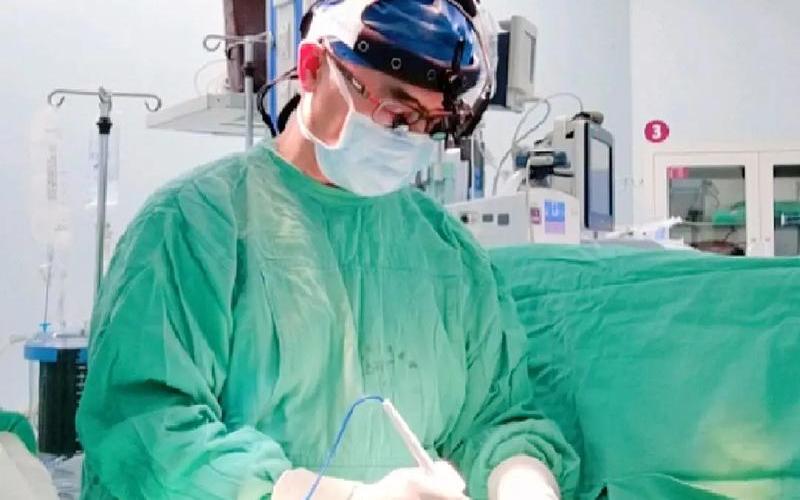
As a surgeon, my life is dedicated to saving lives and improving the health of my patients. It is a challenging and rewarding career that requires years of education, training, and experience. In this article, I will share my journey to becoming a skilled practitioner and highlight some of the most important aspects of my work.
My Education and Training
To become a surgeon, I had to complete a rigorous educational program that included a bachelor's degree, medical school, and a residency program. During my residency, I worked long hours and gained hands-on experience in a variety of surgical procedures. I also had the opportunity to work with experienced surgeons who helped me develop my skills and knowledge.
The Importance of Communication
One of the most important aspects of my work is communication. As a surgeon, I need to be able to communicate effectively with my patients, their families, and other members of the healthcare team. I need to be able to explain complex medical procedures in a way that is easy to understand and provide emotional support to my patients and their families.
The Art of Surgery
Surgery is both a science and an art. While I rely on my knowledge of anatomy, physiology, and medical science to perform surgeries, I also need to be able to use my intuition and judgment to make split-second decisions. The art of surgery also involves a deep understanding of the human body and the ability to work with precision and accuracy.
The Importance of Continuing Education
As a surgeon, I am committed to lifelong learning. I attend conferences, read medical journals, and participate in training programs to stay up-to-date with the latest advances in surgical techniques and technology. This allows me to provide the best possible care to my patients and improve their outcomes.
The Challenges of the Job
Being a surgeon is not without its challenges. It can be emotionally and physically demanding, and there is always the risk of complications or unexpected outcomes. However, the rewards of the job far outweigh the challenges. Knowing that I have helped improve the health and wellbeing of my patients is incredibly fulfilling.
Conclusion
Being a surgeon is a challenging and rewarding career that requires years of dedication and hard work. From my education and training to the art of surgery, communication, continuing education, and the challenges of the job, there are many different aspects to consider. As a skilled practitioner, I am proud to be able to help my patients and make a positive impact in their lives.