

Trick or Treat: The Origins of "Trick or Treat"
Trick or Treat is a popular Halloween tradition where children dress up in costumes and go door-to-door asking for candy. However, the phrase "Trick or Treat" has a darker history. In this article, we will explore the origins of "Trick or Treat" and its evolution into the Halloween tradition we know today.
The Origins of "Trick or Treat"
The phrase "Trick or Treat" originated in the Middle Ages, where it was known as "souling." During this time, poor people would go door-to-door asking for food in exchange for saying prayers for the dead. However, in the 19th century, the tradition evolved into "guising," where children would dress up in costumes and go door-to-door asking for money or treats.
The Evolution of "Trick or Treat"
In the early 20th century, "Trick or Treat" became associated with Halloween. It was believed that if someone did not give a treat, the children would play a trick on them. This tradition was often used as a form of extortion, where children would threaten to cause mischief if they did not receive a treat.
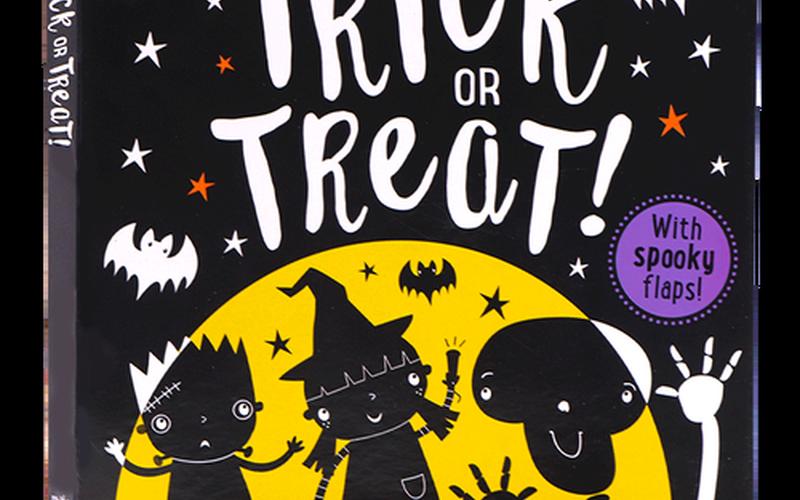
The Commercialization of Halloween
In the 1950s, Halloween became more commercialized, and candy companies began marketing their products for the holiday. This led to the widespread adoption of "Trick or Treat" as a Halloween tradition, and the focus shifted from playing tricks to receiving candy.
The Controversy Surrounding "Trick or Treat"
In recent years, there has been controversy surrounding the phrase "Trick or Treat." Some argue that it promotes the idea of extortion and encourages children to engage in threatening behavior. Others argue that it is a harmless tradition that brings joy to children and should not be taken too seriously.
The Future of "Trick or Treat"
As Halloween continues to evolve, it is unclear what the future of "Trick or Treat" will be. Some communities have banned the tradition, while others continue to embrace it. Ultimately, the decision of whether or not to participate in "Trick or Treat" is up to each individual and their personal beliefs and values.
Conclusion
In conclusion, "Trick or Treat" has a complex history that has evolved over time. While it may have originated as a form of prayer and evolved into a form of extortion, it has now become a beloved Halloween tradition that brings joy to children. Whether or not to participate in "Trick or Treat" is a personal decision, but it is important to understand the history and controversy surrounding this tradition.